From old tires to a new roof: a closer look at rubber shingles
Euroshield turns recycled tire rubber into roofing with the appearance of shake or slate. Here is what to compare before choosing it for a Seattle-area home.
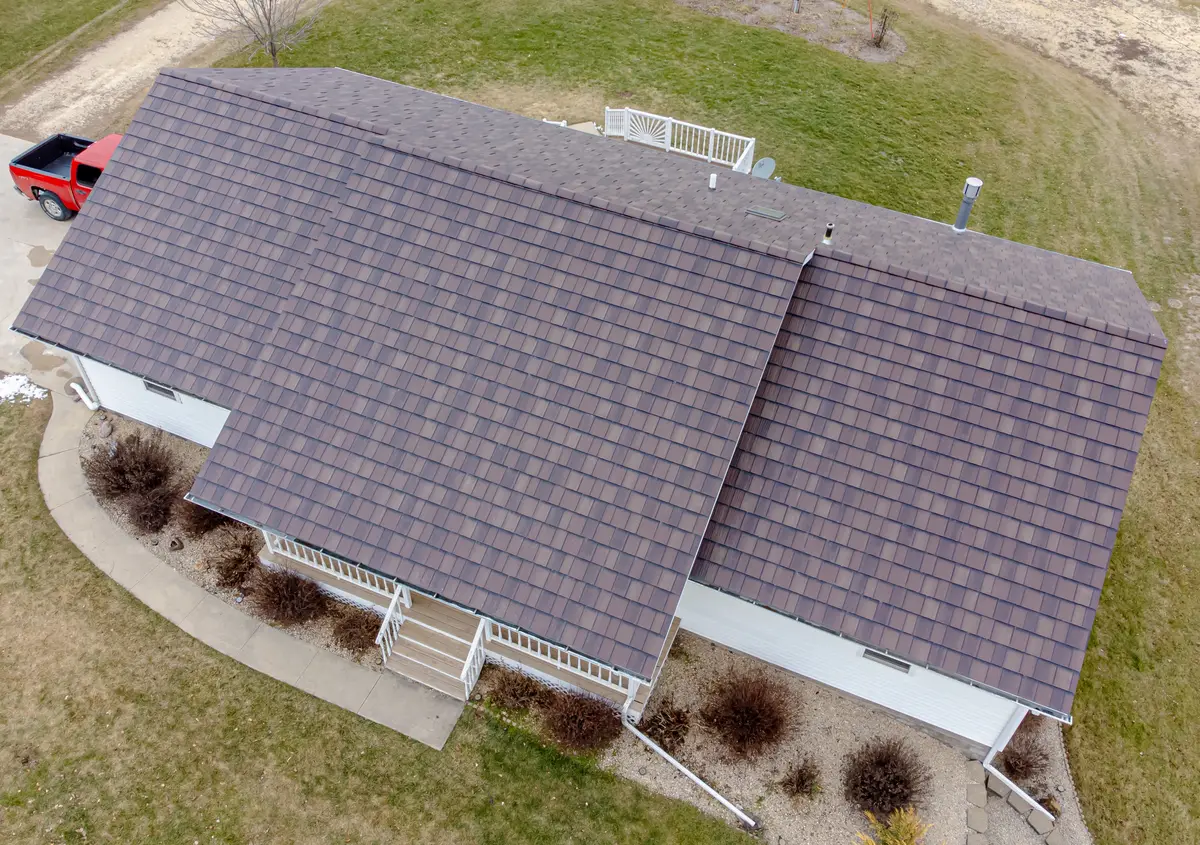
A different destination for used tires
A roof made from tires sounds unusual until you see the finished product. Molded rubber roofing can have the textured appearance of cedar shakes or the regular courses of slate. The material arrives as manufactured roofing pieces; a contractor does not install cut-up tires on your house.
Euroshield is one real manufacturer in this category. The Calgary-based company says its products contain approximately 70% recycled tire rubber and 95% recycled content overall. Those are different measurements: 95% recycled content does not mean 95% tires. Treat these as manufacturer-reported composition figures, rather than proof of a particular carbon footprint or environmental certification.
Meet the products, not just the material
Euroshield's published range includes Beaumont Shake and Ranchlands Shake, along with Vermont Slate, Vermont Slate HP and Rundle Slate. The shake and slate names describe the intended appearance. These products are engineered rubber roof coverings, rather than natural wood or quarried stone.
Start with a full-size sample and photographs of a completed roof in your preferred color. Look at the edges, thickness, texture and repeating pattern from street level. A small sample on a desk cannot show how the whole roof will sit beside your siding, gutters and neighboring houses. Ask whether a nearby completed installation is available to view with its owner's permission.
How rubber shingles differ from asphalt
An asphalt quote and a molded-rubber quote should describe complete roof systems. Comparing only the exposed covering leaves out the work that keeps water moving away from the building: underlayment, flashings, penetrations, drainage details and ventilation. Ask both bidders to identify what they will replace and what they propose to retain.
Rubber shingles also should not be confused with a sheet-rubber membrane used on some low-slope roofs. A product's installation instructions determine where it can be used. For a house with a porch, addition or nearly flat section, ask the contractor to specify each roof area separately instead of assuming one material is suitable everywhere.
Impact resistance and fire performance are separate questions
Euroshield advertises Class 4 impact resistance. That is a test classification, not a promise that a roof cannot suffer hail damage. Coverage depends on the exact product and written warranty, including exclusions and claim requirements.
A QAI evaluation report for several named Euroshield products describes Class C roof assemblies and installation conditions. This makes an important distinction: an impact rating does not establish a fire rating. Have your contractor identify the current approval, required assembly and fire classification for your chosen model, then confirm it meets the requirements for your property. Do not transfer a rating from one model or assembly to another.
What matters around Seattle and the Eastside
For a local project, use the material discussion to improve the roof assessment. Ask the installer to review roof slope, the condition of the deck, existing leaks, drainage paths and the details around chimneys and skylights. Request a maintenance plan for debris and vegetation rather than assuming a recycled product will make maintenance unnecessary.
Check the installed weight of the exact product and ask whether the existing structure needs review. Confirm local supply, installer experience and replacement-piece availability before scheduling removal of your existing roof. A product sold in North America is not evidence that a qualified crew has an opening in your neighborhood.
Build a useful price comparison
We do not publish a Seattle installed price for rubber roofing without a local scope and quote. A national material figure would not tell you the cost of your tear-off, access, roof geometry or concealed repairs. Request the same scope for asphalt and rubber so the difference is visible.
Ask for separate allowances for damaged decking and other work that can only be confirmed after removal. Also compare the payment schedule, disposal, permits, property protection, cleanup and workmanship coverage. A longer product warranty does not automatically pay for every future repair or replace the installer's own obligations.
- Name the product, profile and color in the proposal.
- Document flashings, underlayment, ventilation and low-slope sections.
- Confirm who registers the warranty and handles a service claim.
Questions homeowners ask
Is Euroshield made entirely from old tires?
No. The manufacturer reports approximately 70% recycled tire rubber and 95% total recycled content. The remaining composition includes other materials and additives.
Does recycled content prove it is the greenest roof?
No. Recycled content is one consideration. A broader comparison would need evidence about manufacturing, transportation, service life, maintenance and the eventual disposal or recovery route. Ask for documentation for any specific environmental claim.
Can it go on a flat roof?
Do not assume so. Molded shingles have slope and installation restrictions. Have the contractor check the current instructions and approval for each section of your roof.
What should I check in the warranty?
Read the exact product warranty, hail provisions, transfer rules and exclusions. Euroshield's registration portal requires registration within 90 days of completed installation; agree who will submit it and keep confirmation.
Should I choose rubber instead of asphalt?
Compare appearance, the complete installed scope, maintenance instructions, local installation experience and total price. A product sample and two clearly itemized proposals are more useful than a universal claim that one material suits every home.
Sources & further reading
Product specifications, local availability and the warranty issued for the installation should be checked with the manufacturer and installer.
Explore your roof options.
Start with the address. We’ll help you understand the next step.